A class for every stage, right through to the entrance exam.
Std 5 to Std 12 in Marathi, semi-English and English medium. NEET, JEE and MHT-CET. Government examinations, computer certification and career assessment — all under one registered trust.
My Exam
Our online test portal. Sign in with the details given to you at the centre to take a scheduled test, see your marks and check where you stand in the batch.
Every centre, one click away.
The units and partner institutions that run under the Sanstha.
Six programmes,
one accountable trust.
Each has its own batches and its own fee. All of them answer to the same registered trust and the same audited set of books.
The unglamorous things, done properly.
Registered and audited
A public trust under the Bombay Public Trusts Act, 1950, with 12A registration and 80G approval from the Income Tax Department. The accounts are audited every year.
A receipt for every rupee
Cash, UPI or card — a printed numbered receipt is handed over the same day. Nothing is taken without a record, and the receipt book has no gaps.
Small batches, named teachers
Batches are capped so that a teacher knows every student by name. Attendance is marked and shared with parents.
One trust, every stage
A child can join in Std 5 and stay until the entrance examination without changing institutions, because every stage is taught here.
A stream chosen on evidence
Career assessment through Brainwonders, so the choice after Std 10 rests on an aptitude report rather than on what the neighbours are doing.
A place to sit and study
A reading room by the month and a computer lab with booked slots, for students who cannot find quiet at home.
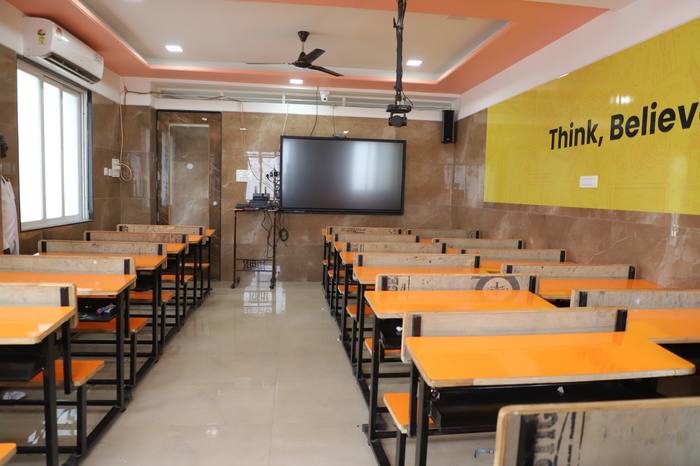
Air-conditioned rooms,
smart boards, and a quiet floor to study on.
Partners
Some things are done better with people who do only that. These are the institutions whose programmes run at our centres.
Your donation is eligible under section 80G.
Approval number AABAC6500HF20251, dated 26 December 2025. Pay by UPI, cheque or bank transfer, give your PAN, and the certificate in Form 10BE follows in due course.
A trust, not a shop.
The teaching began in Jalgaon in 1999. In 2003 it was placed on a proper footing as a public trust, so that the money and the work would both be answerable — to the Charity Commissioner, and to the Income Tax Department. Today the Sanstha runs school tuition, entrance coaching, government examination batches, computer certification, career assessment, a reading room and a computer lab, across Buldhana and Jalgaon.
What we are for
To put good teaching within reach of an ordinary family in Buldhana and Jalgaon — the same preparation for NEET, JEE and MHT-CET that a city child gets, and steady school tuition in the medium the family chooses, at fees a district town can pay.
How we work
Small batches. Written tests every week. Attendance marked and shown to parents. A numbered receipt for every payment. Accounts audited and filed on time. None of it is remarkable; all of it is rare.
How the trust got here
Who leads the Sanstha
Who teaches, who is answerable
Registrations
| Item | Number | Dated |
|---|---|---|
| Public trust · Bombay Public Trusts Act, 1950 | E-5820 / Jalgaon | 18-10-2003 |
| Permanent Account Number | AABAC6500H | 05-03-2003 |
| Income tax · section 12A | AABAC6500HE20251 | 26-12-2025 |
| Income tax · section 80G | AABAC6500HF20251 | 26-12-2025 |
| NITI Aayog DARPAN | MH/2025/0814949 | 14-09-2025 |
| Legal Entity Identifier | 984500B44L3T4DE12A77 | — |
What you can study here
Twenty courses across six programmes. Instalments are allowed and the dates are written on the admission form.
Every fee, in one table
Four steps, one visit.
Send an enquiry, or walk in
Fill the form below and we call you back, or come to the office with the student.
Choose the batch
We go through the course, the medium, the batch timing and the fee, and you decide what suits the student. A career assessment can be arranged if the stream is still open.
Fill the admission form
Bring the last mark sheet, a copy of the Aadhaar card and two passport photographs.
Pay and collect the receipt
Pay in full or take the first instalment. A numbered receipt and the identity card are handed over the same day.
Documents
- Mark sheet of the last examination
- Copy of the Aadhaar card
- Two passport size photographs
- Parent's mobile number
- Blood group, if known
Fees
Cash, UPI, card or bank transfer. Instalments are allowed and the dates are written on the admission form. A printed numbered receipt is issued for every payment, whichever way you pay.
Tell us about the student
The form opens WhatsApp with your details already typed in, so you can send it in one tap.
Asked often
Somewhere to sit,
and something to sit at.
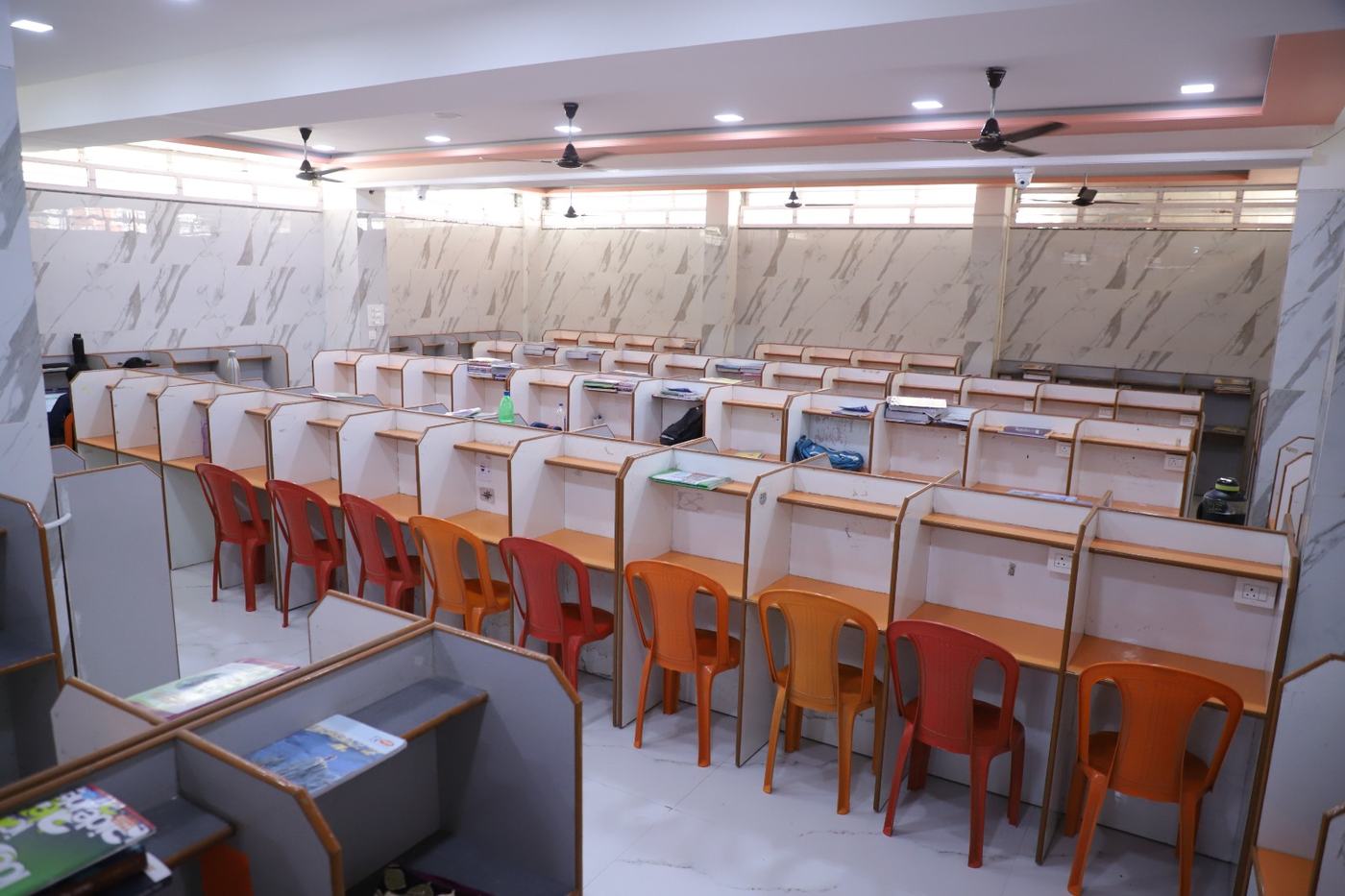
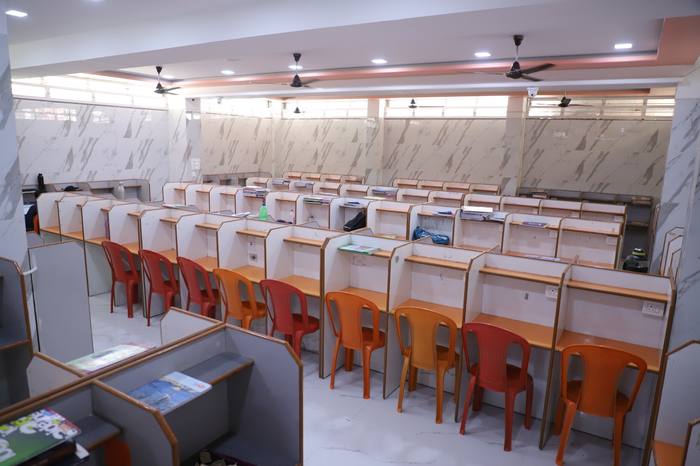
Reading Room
A numbered seat taken by the month, for students preparing for competitive examinations who need quiet and long hours. Membership is renewed monthly and the seat is held for you.
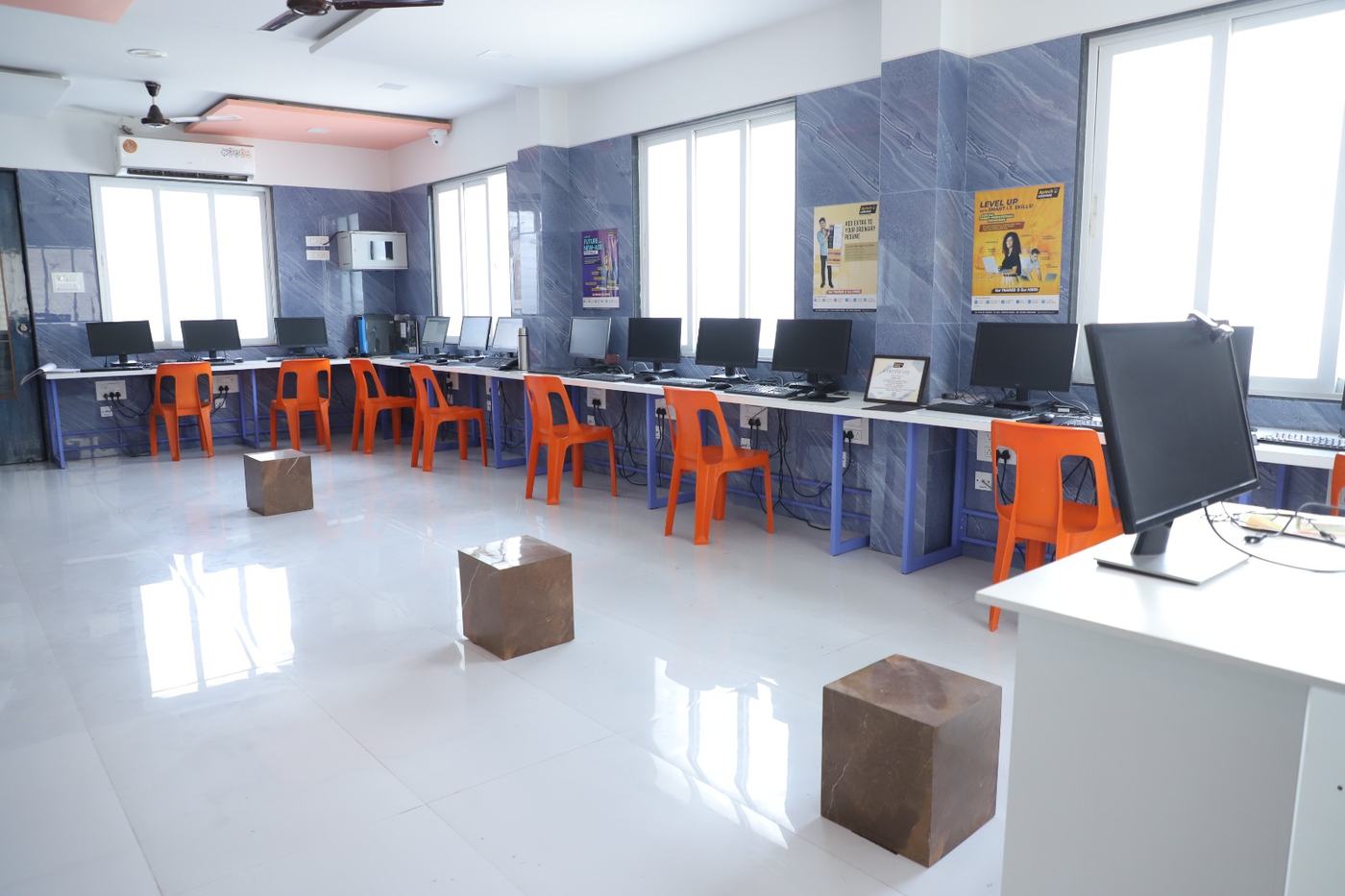
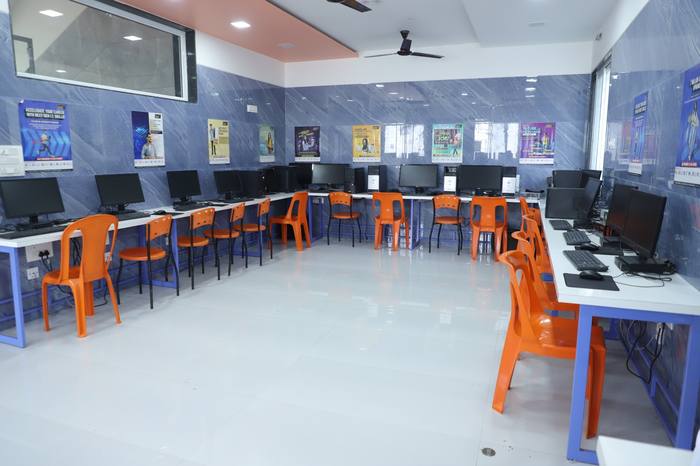
Computer Lab
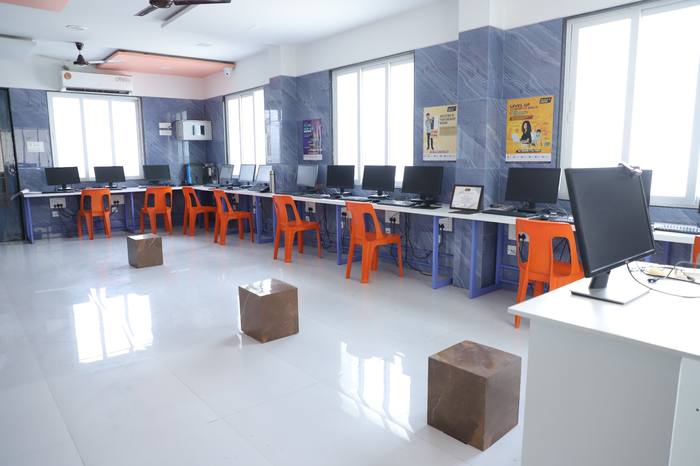
Practice machines booked by the month in fixed slots, so a student always has a seat at the same hour. Used by the Aptech students and open to others when slots are free.
Aptech Learning Centre
Professional computer training and certification under the Aptech curriculum, running alongside the academic classes — so a student can finish school with a certified computer skill as well as marks.
Brainwonders Career Assessment
A structured aptitude assessment and a counselling session, so the choice after Std 10 rests on a report rather than on guesswork. Taken by appointment at the centre.
Rooms for every kind of session
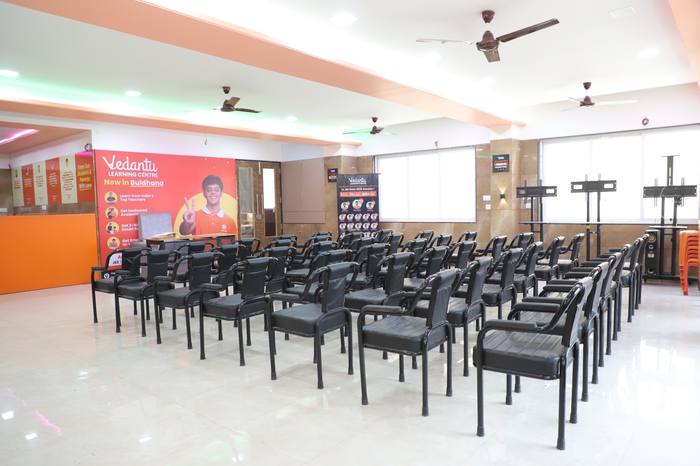
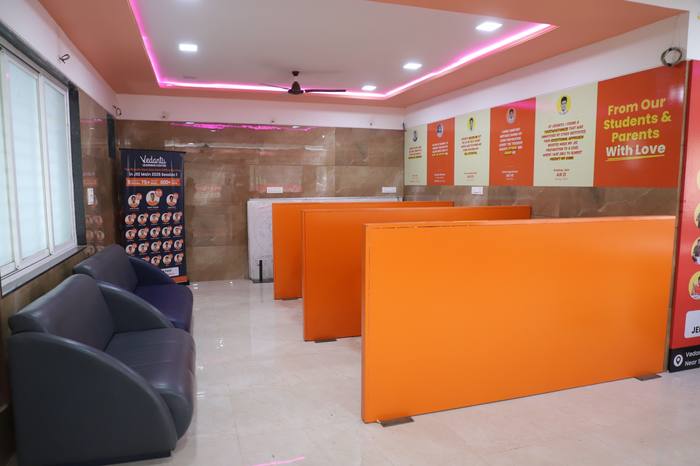
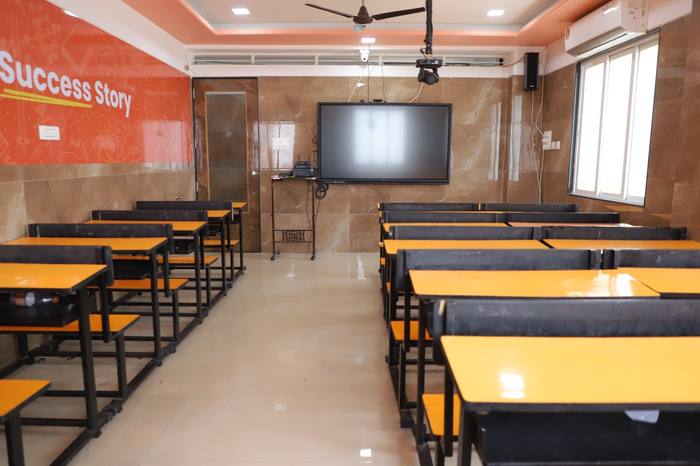
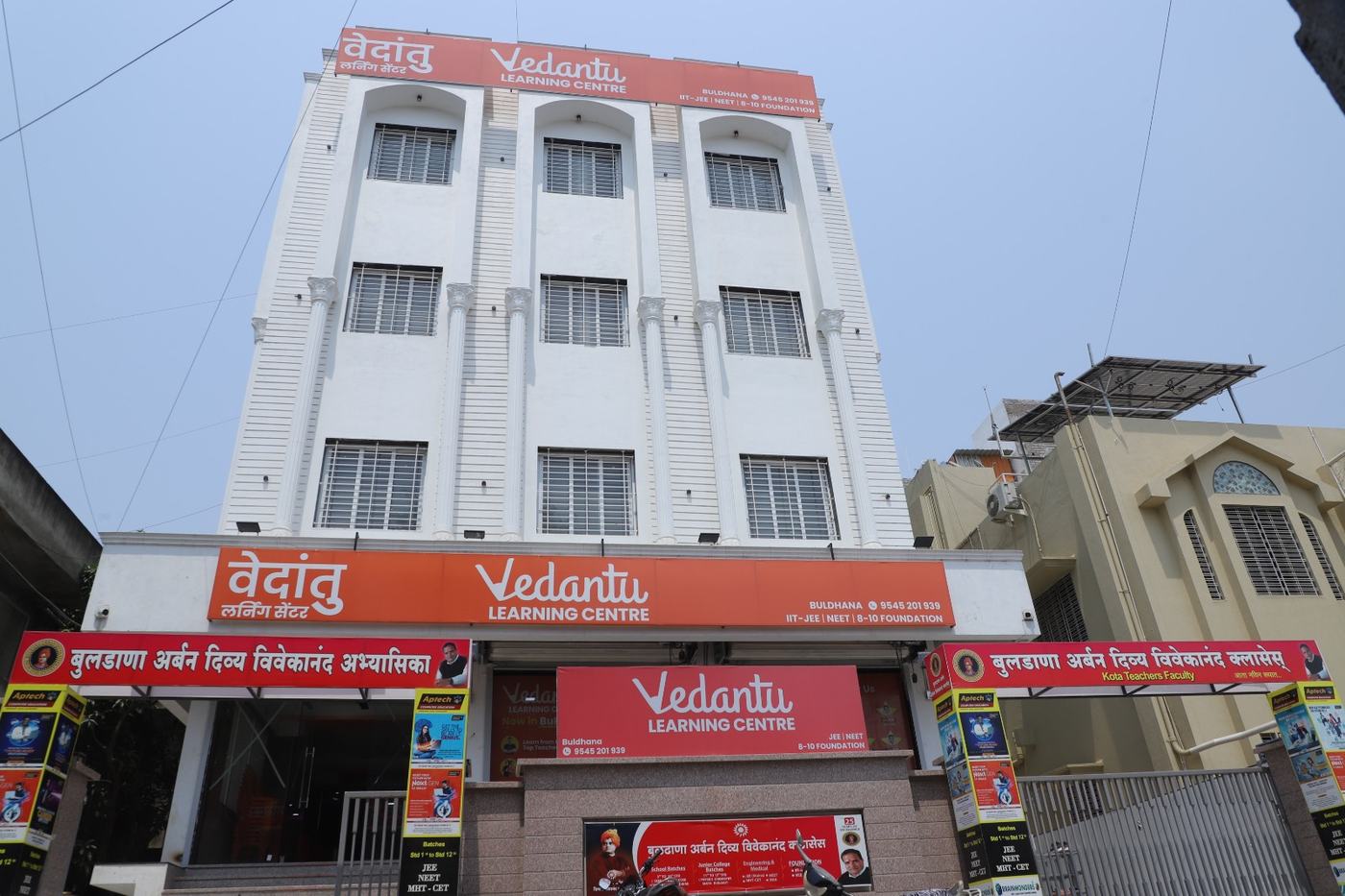
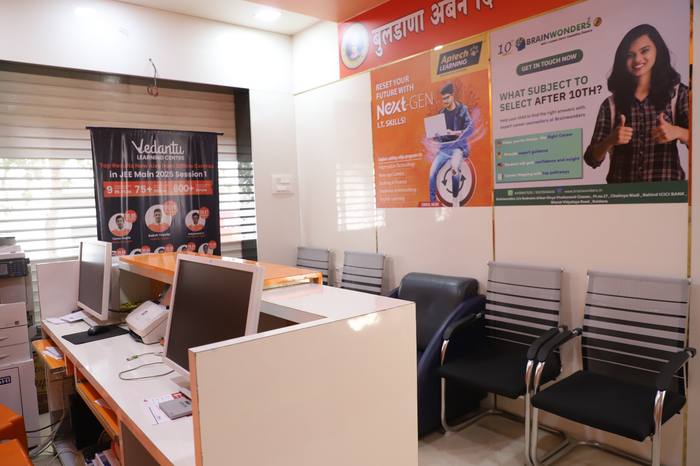
The place, as it actually is.
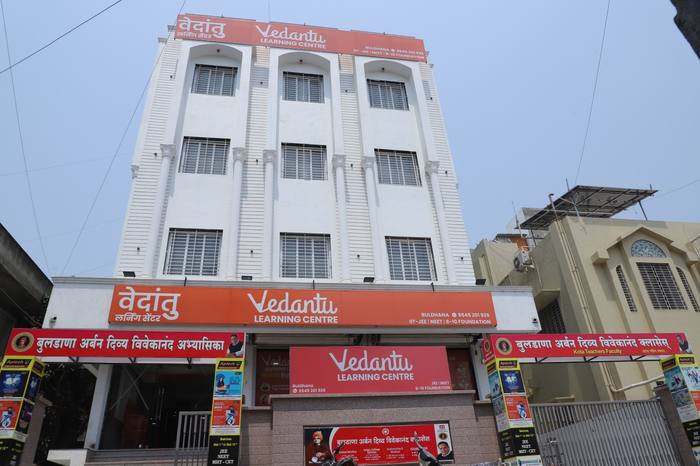
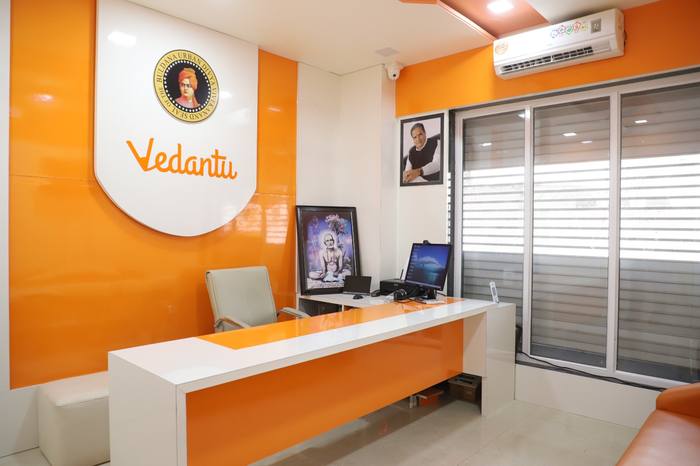
Photographs of our own centre in Buldhana — the building, the classrooms, the reading room and the laboratory. Nothing here is a stock picture.
Written for students,
not for search engines.
Notes and guides from our teachers, on the things students actually get stuck on — choosing a stream, managing time, and studying so that it stays studied.
VSAT — the Vedantu test
The Vedantu scholarship and admission test is conducted at the learning centre. Ask at the office for the next date, or log in below if you have already registered.
Put a child through the year.
The Sanstha holds approval under section 80G of the Income Tax Act, so a donation to it reduces your own tax as well. Every donation is receipted, numbered and reported.
Choose an amount. Scan. Done.
Bank transfer, cheque or in person
Pay by UPI, cheque or transfer
Please avoid cash. A cash donation above ₹2,000 does not qualify for deduction under section 80G, however the money is used.
Give your PAN and address
Without a PAN or Aadhaar the donation cannot be reported in Form 10BD, and the deduction cannot be claimed by you.
Collect the receipt
A numbered receipt is issued at once, carrying the 80G approval number. Form 10BE follows after the annual statement is filed.
We will send the receipt and the certificate.
| For your records | Number |
|---|---|
| 80G approval (URN) | AABAC6500HF20251 · dated 26-12-2025 |
| 12A registration (URN) | AABAC6500HE20251 · dated 26-12-2025 |
| PAN of the trust | AABAC6500H |
| Trust registration | E-5820 / Jalgaon |
Come and see the place.
Buldhana — main office
Plot No. 17, Chaitanya Wadi,
Behind ICICI Bank,
Buldhana 443001, Maharashtra
Jalgaon — registered office
Third Floor, Golani Market,
Main Road,
Jalgaon 425001, Maharashtra
Any question at all.
What we do with your information
What we collect
When you send an enquiry we receive the name, mobile number, standard and course you type into the form, and nothing else. When a student takes admission we keep the details written on the admission form — name, parent's name, address, mobile number, date of birth and the fees paid.
How it is used
Only to answer your enquiry, to run the classes, to issue receipts and identity cards, and to keep the accounts the law requires us to keep. We do not sell information and we do not pass it to anyone for marketing.
Who else sees it
Our auditor sees the fee and donation records, because the accounts of a public trust are audited every year. Where a course is run with a partner institution, the details needed to register the student with that institution are shared with it. Donation details are reported to the Income Tax Department in Form 10BD, as the law requires.
How long it is kept
Accounting records are kept for as long as the Income Tax Act and the Bombay Public Trusts Act require. Enquiry details that do not lead to an admission are removed once the session is over.
Your choice
Write to us at chanakyasanstha2003@gmail.com or telephone 90960 50031 to ask what we hold about you, to correct it, or to ask us to stop contacting you. We will act on it.
This website
The site sets no tracking cookies and runs no advertising scripts. The enquiry forms open WhatsApp on your own device — nothing is stored on this website.
Career options after Std 12 Science
Medicine and engineering are the two doors everyone talks about. There are eleven more, and some of them are easier to walk through.
In Buldhana district, almost every science student is pointed at two examinations — NEET or JEE. They are good options. They are not the only ones, and a student who does not clear them is not out of choices. What follows is the honest map.
If you are taking NEET
MBBS is the destination most families have in mind, but the same NEET score opens BDS for dentistry, BAMS and BHMS in Ayurveda and homoeopathy, BPTh for physiotherapy, B.Sc. Nursing, and BVSc for veterinary science. In Maharashtra all of these go through the state counselling round, so one form covers many of them.
Two things students learn too late. First, the state quota matters more than the all-India quota for most Maharashtra students, so your position in the state list is the number to watch. Second, a drop year is a real decision, not a default — take it only if you can point to what will be different in the second attempt.
If you are taking JEE
JEE Main leads to the NITs, the IIITs and the centrally funded institutes; JEE Advanced leads to the IITs. But for a Maharashtra student the more useful examination is often MHT-CET, because the state engineering colleges — COEP, VJTI, the government colleges in Amravati, Nagpur and Aurangabad — admit through it, and the cut-offs are reachable from a district town.
Sitting all three is normal. The syllabus overlaps heavily. The difference is in how the questions are asked, which is why practice papers of each kind matter more than three separate courses.
The options nobody mentions in the village
B.Sc. followed by M.Sc. and a research career, through institutes like IISER, which admits through its own aptitude test. B.Sc. Agriculture, through the MHT-CET agriculture group, which in a farming district is a serious and respected line of work. B.Pharm and D.Pharm, which lead to steady employment. B.Sc. in computer science or data science, which now hires as well as engineering does. Architecture through NATA. Merchant navy and the defence services through NDA, which is written twice a year and which a Std 12 science student can sit for directly.
How to actually choose
Three questions, in this order. What are you willing to study for eight hours a day for the next two years — because interest, not intelligence, is what carries a student through a long preparation. What can the family afford, counting the years of study and not only the fees. And what does the work look like at thirty, not at twenty — a doctor's day and an engineer's day are very different, and most students have never watched either.
If the answer is genuinely not clear, take an aptitude assessment before Std 11, not after Std 12. A stream chosen on a report is easier to defend than one chosen on a neighbour's advice.
Written by the teachers of Chanakya Shikshan Prasarak Sanstha, Buldhana. Questions about any of this — telephone the office on 90960 50031.
What actually moves marks in the last six months
Most students study hard before a board examination. Fewer study in the order that the paper rewards.
By December, the syllabus is roughly known and the time is short. What separates a 65 per cent from an 85 per cent after that point is rarely new knowledge. It is nearly always the handling of the paper.
Start from the paper, not the textbook
Get the last five years of board papers for every subject and lay them side by side. You will find the same chapters carrying the same weight year after year, and you will find question types repeating almost word for word. Study in the order of that weight. A chapter worth sixteen marks deserves four times the hours of a chapter worth four, however interesting the smaller one is.
Write, do not read
Reading a chapter feels like studying and is the weakest form of it. The examination asks you to produce, under time pressure, in handwriting. So practise producing. Close the book, take a blank sheet, and write the answer. Then open the book and mark your own sheet honestly. The gap you find is the real syllabus left.
Time yourself from January
Sit at least one full paper a week, at the same hour as the real examination, with a clock, without a break, without the book. Students lose ten to fifteen marks purely to time — not to ignorance. That loss is fixable, but only by rehearsing it.
The small things that carry marks
Draw the diagram and label it, even when the question does not ask. Write the formula on its own line before substituting numbers. Underline the final answer. Attempt every question, because a partly correct answer earns something and a blank earns nothing. Number the answers exactly as the paper numbers them — an examiner marking three hundred papers should not have to search.
The last thirty days
No new chapter after that point unless it is worth more than eight marks and completely untouched. Revise from your own written answers and your own error list, not from the textbook again. Sleep seven hours — a tired student loses more marks to careless mistakes than a rested one loses to gaps in knowledge.
And keep one page per subject: every mistake you made in every practice paper, written in one line. On the morning of the examination, read only that page.
Written by the teachers of Chanakya Shikshan Prasarak Sanstha, Buldhana. Questions about any of this — telephone the office on 90960 50031.
Fitting school, coaching and revision into the same week
A student in Std 10 or Std 12 has school, coaching, travel and homework. There is time in that week — it is just badly placed.
Ask a student where the day went and the answer is usually honest: it went. The problem is almost never laziness. It is that study is scheduled last, into whatever is left, and what is left is the worst part of the day.
Find the two good hours
Everybody has two hours in the day when the head is clearest. For most students it is early morning; for some it is late night. Find yours by paying attention for a week. Then give those two hours to the hardest subject — the one you avoid. Not to the subject you enjoy, which will get done anyway.
Use the small gaps for the small work
The twenty minutes on the bus, the gap between school and coaching, the wait before a lecture starts — these are useless for solving a numerical, but excellent for revising formulae, reading one page of theory, or going through the error list. Carry one small notebook for exactly this. Six such gaps in a week are two hours.
Plan the week on Sunday, not the day each morning
Sit for fifteen minutes on Sunday with a sheet. Write the seven days across the top. Fill in the fixed blocks first — school, coaching, travel, meals, sleep. What remains is your real study time, and it is usually less than you imagined. Now assign subjects to those blocks. A plan made in advance survives a bad day; a plan made each morning does not.
One subject, one sitting
Switching between subjects every thirty minutes feels productive and is not. Give a subject a whole block of at least ninety minutes. The first fifteen are always slow — that is normal, and it is why short blocks waste so much.
Protect the sleep
Cutting sleep to study is the most common bad trade a Std 12 student makes. Six hours of study on seven hours of sleep beats nine hours of study on four. The second one only feels like more work.
And keep one evening a week free. A schedule with no slack is abandoned in the first week it is broken.
Written by the teachers of Chanakya Shikshan Prasarak Sanstha, Buldhana. Questions about any of this — telephone the office on 90960 50031.
How to read a chapter so that it stays read
Reading something four times is not four times as good as reading it once. Here is what to do instead.
Every student has had this experience: you read a chapter carefully, you understood it, and three weeks later almost nothing is left. The reading was not the problem. What you did after it was.
First pass — the shape
Before reading a single line properly, spend five minutes on the headings, the diagrams, the summary and the exercise questions at the end. You are not learning yet; you are finding out what the chapter is going to ask of you. Knowing the shape makes the detail stick, because each fact now has a place to sit.
Second pass — read and stop
Read a section, then close the book and say the idea aloud in your own words. If you cannot say it, you have not understood it, and reading it a second time will not help — reading it more slowly will. This is the step most students skip and it is where the learning happens.
Third pass — write the skeleton
On one sheet, reproduce the chapter from memory as a skeleton: headings, key terms, formulae, one line each. One page per chapter, no more. This sheet, not the textbook, is what you will revise from in February. Making it is more useful than reading it.
Then test yourself, and be honest
Do the exercise questions with the book closed. Mark yourself strictly. Every question you got wrong goes on the error list with one line saying why — not that you got it wrong, but why. Careless, formula forgotten, concept not understood. The three need different fixes.
Come back on a schedule
Revise the skeleton after one day, after one week and after one month. Three short visits beat one long one, and it is the spacing that does the work, not the total time. This is the single most reliable finding in the study of learning, and almost nobody uses it.
A chapter read this way takes longer the first time and about a quarter of the time on every revision after that.
Written by the teachers of Chanakya Shikshan Prasarak Sanstha, Buldhana. Questions about any of this — telephone the office on 90960 50031.
Where to start if you have never written a line of code
You do not need an engineering seat, an expensive laptop or English fluency to begin. You need one language and one small problem.
Programming has become the one skill that a student from a district town can learn on equal terms with anyone in a city. The material is free, the practice is online, and nobody asks where you studied when the code runs.
Pick one language and stay with it
For a beginner, Python. It reads close to English, it needs the least setup, and it is used for everything from data work to websites. Do not spend the first month choosing between languages — that choice matters far less than finishing something.
Learn only six things first
Variables, conditions, loops, lists, functions, and reading and writing files. That is the whole foundation. Everything else in programming is built from these, and a student who is genuinely comfortable with these six can pick up the rest as needed. Most beginners rush past them and then struggle for a year.
Build something small and real
Watching lectures produces the feeling of learning without the ability. Instead, after each concept, build something tiny that uses it — a marks calculator, a program that renames all the photographs in a folder, a script that tells you how many days remain until the board examination. Small and finished beats large and abandoned.
When it breaks, read the error
Beginners see a red error message and panic. The error message is the most useful text on the screen: it names the file, the line number and usually the mistake. Learning to read it calmly is half of learning to program.
Practise where you can be measured
After a couple of months, start solving problems on a practice site. Two problems a day for six months will take a student further than any certificate. Employers ask what you have built, not what you have attended.
What it can lead to
Software development, data analysis, testing, technical support, and increasingly the routine computer work in every office and every bank. A certified course such as the one at our Aptech centre gives structure and a certificate; the practice has to be your own either way.
Written by the teachers of Chanakya Shikshan Prasarak Sanstha, Buldhana. Questions about any of this — telephone the office on 90960 50031.